More Than a Push: Rethinking Motivation in Culturally Responsive Classrooms

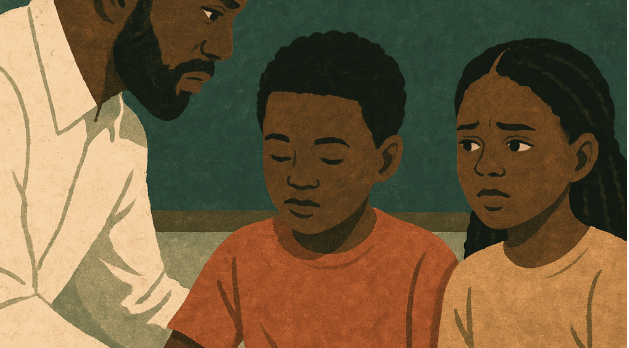
Lately, I’ve been sitting with the weight of my own work.
Between managing a nonprofit board, podcasting about my family history and culture, and researching for an upcoming book, I’ve found myself circling back to a familiar theme: motivation. Not the motivational posters kind—but the kind that grows out of fear, responsibility, and survival. And it reminded me of something I said in my dissertation not long ago: motivation in classrooms shaped by trauma and resilience often becomes something heavier than encouragement—it becomes emotional armor.
Motivation as a Moral Imperative (Or a Weapon?)
In my research emotional intelligence among elementary school teachers, a pattern emerged, especially among African American educators. Motivation was not just a strategy, it was a form of protection. A way to say, “You will not be left behind on my watch.” But here’s the tension: when motivation becomes a constant push, driven by fear that your students won’t succeed unless you do everything right, it stops being developmental. It becomes disciplinary. And for teachers working in culturally responsive classrooms and environments, especially those carrying their own stories of systemic resistance, that weight gets passed on—quietly but deeply.
Emotional Intelligence in the Classroom Isn’t Optional
Emotional intelligence isn’t just about awareness—it’s about sustainability. The most emotionally intelligent educators I encountered were the ones who could name what they were feeling before it spilled over into the classroom. They knew the line between urgency and anxiety, and they didn’t mistake exhaustion for commitment. When we push from fear, we unknowingly teach students that performance matters more than process. That pressure is the price of excellence. That motivation is something to endure, not embody. But that’s not what culturally responsive teaching is supposed to do. It’s not meant to replicate pressure. It’s meant to create space for joy, curiosity, and collective growth.
So Where Do We Go From Here?
In my current work—whether coaching through emotional intelligence frameworks or unpacking intergenerational resilience through family history—I’m reminded that transformation doesn’t happen through pressure alone. It happens through presence, reflection, and clarity. We owe our students more than a push. We owe ourselves that, too.
Let’s rethink what motivation feels like in the classroom—and what it’s costing us. How are you navigating this balance in your own practice? I’d love to hear your thoughts.