From Pride to Juneteenth: What We Don’t Ask and why we should.

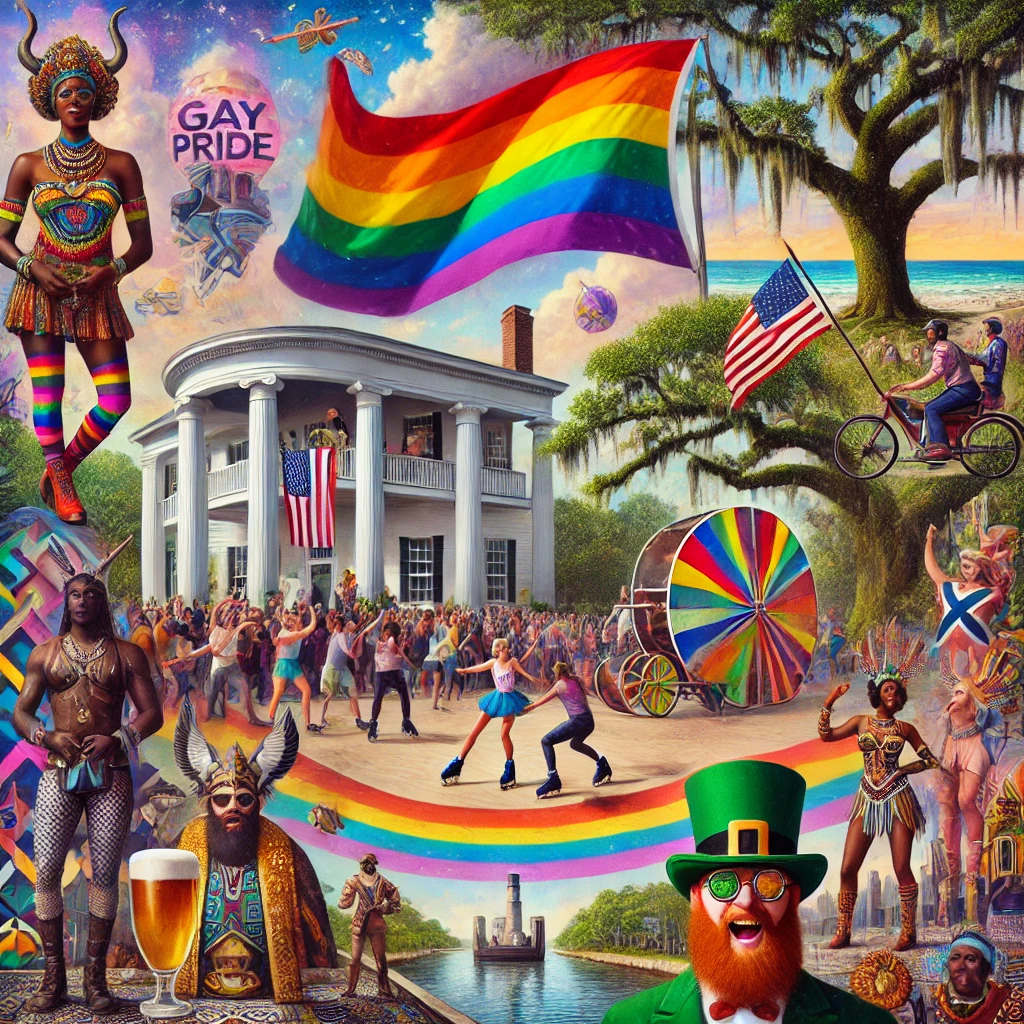
The Conversation That Changed Me
I recently had a conversation with someone about Pride Month—nothing deep — just one of those casual hallway exchanges that turns into a mirror. I asked a few questions. Not offensive, not hostile — but clumsy. Embarrassing. The kind of questions that come out sideways when you realize you’ve been walking around with a borrowed vocabulary and no real understanding.
They answered. Not with attitude or shade — just clarity. And I had to sit with it.
I had to sit with the fact that I knew Pride existed, but I didn’t know why. I had to sit with the weight of someone else’s history and realize that I had confused visibility with understanding. That moment wasn’t just educational — it was surgical. It cut through the ego I didn’t even know I had. That’s when it hit me: curiosity is sacred. But not being curious? That’s where the real danger lives. Because when we don’t ask questions, when we assume, avoid, or stay safe in our silence, it’s not neutrality — it’s complicity.
And this doesn’t just apply to queer folks. It applies to all marginalized people who’ve had to carry the burden of being both human and explanation. It applies to Indigenous people whose land we occupy but whose pain we ignore. It applies to immigrants who are both scapegoats and workforce, always one policy away from erasure.
It applies to disabled people navigating a world designed to exclude them, and yes — it applies to Black people, especially when the calendar hits mid-June and suddenly everybody wants to “celebrate” freedom, but nobody wants to interrogate it.
We’ll buy the Juneteenth ice cream. We’ll get the day off. But we won’t ask what it means that freedom came two years late — and still doesn’t feel complete. We won’t ask why so many of us still feel like second-class citizens in systems we helped build. We won’t ask what it’s like to be constantly studied, but rarely believed. Because asking those questions would mean something. And meaning something means responsibility.
So, yes — this started with Pride. But it doesn’t end there.
This is about the violence of silence. The questions we don’t ask. The truths we’re too polite to touch. And the cost? That’s paid in misunderstanding. In misrepresentation.
So go ahead, acknowledge that you didn’t know something was offensive, and yes, acknowledge that maybe you didn't care about something, and finally ask your awkward question because it may be transformational.